Expert Sewer Cleaning and Septic Repair Solutions for Houses and Organizations in Eugene
Business Name: Royal Flush Environmental Services
Address: 2640 State Hwy 99 N, Eugene, OR 97402
Phone: (541) 687-6764
Royal Flush Environmental Services
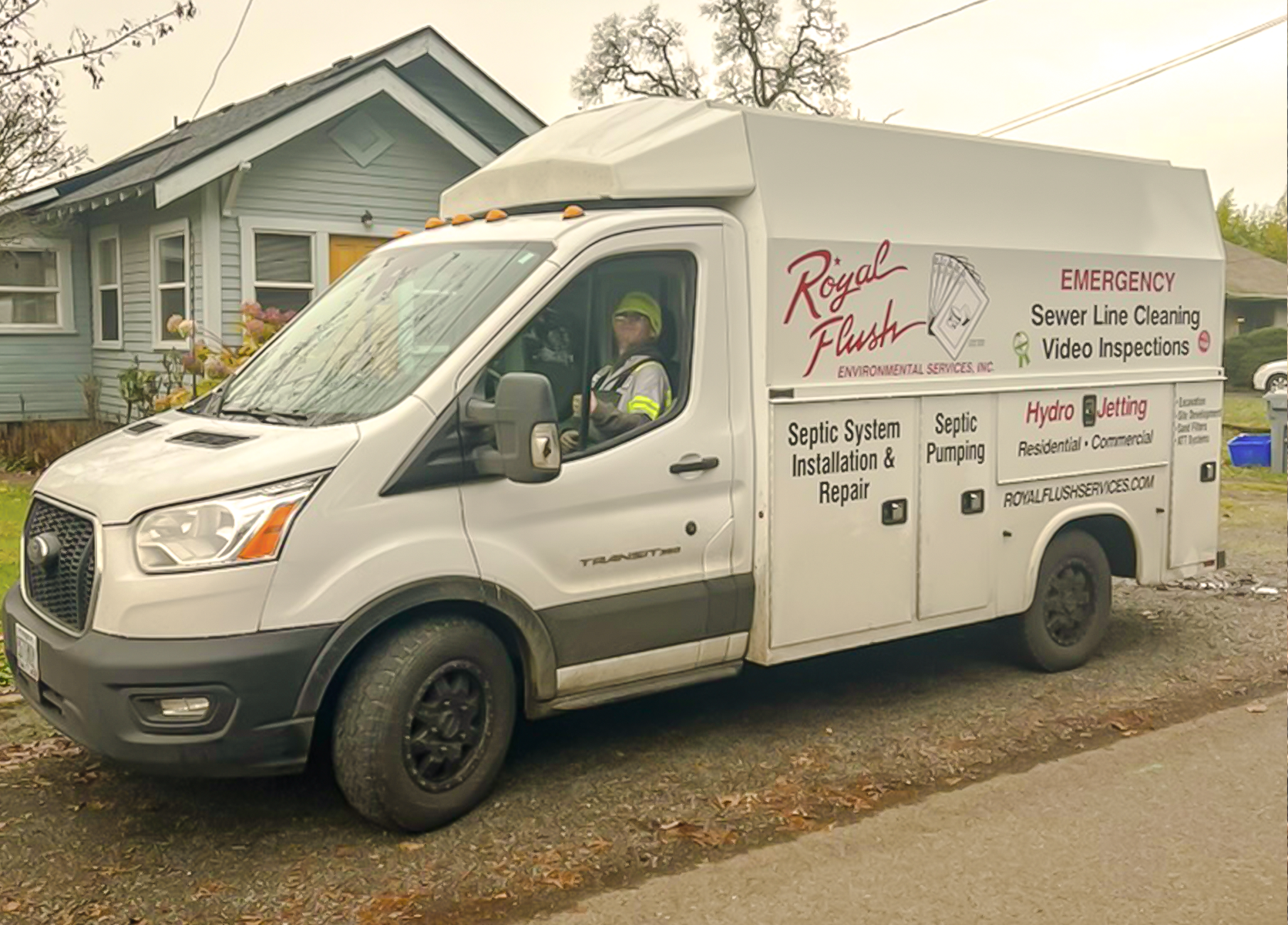
Royal Flush Environmental Services is a plumbing company offering a full range of septic system services, including cleaning, installation, and repairs. Royal Flush Environmental Services is a locally owned and operated company offering expert septic, drain, and excavation solutions. Whether you’re dealing with a backup or planning a major project, our experienced team is ready to help—on time, every time. Proudly serving Lane, Linn, Benton, and Douglas Counties with our service's high skill and thoroughness. No job is too big or small for our highly skilled team.
2640 State Hwy 99 N, Eugene, OR 97402
Business Hours
Sewer and septic issues have a method of showing up at the worst possible minute. A kitchen area sink backs up best before supper service starts. A toilet on the commercial side of a property starts to smell wrong on a Monday early morning. A damp spot appears in the yard after a stretch of rain, and unexpectedly everyone is walking the problem instead of dealing with it. In Eugene, where older homes sit next to newer advancements and numerous residential or commercial properties still depend on septic systems, the line in between a minor nuisance and a severe pipes failure can get crossed quickly.
That is why sewer cleaning, drain cleaning, septic pumping, septic installation, and septic repair are not simply maintenance tasks. They are part of safeguarding the structure, the soil around it, and the people using the building every day. A solid system runs quietly. When it stops doing that, the indication normally appear before the genuine damage does, but only if somebody knows what to look for.
What sewer and septic systems are actually doing behind the scenes
Most individuals think of pipes as the pipes inside the walls and the components they can see. The hidden part of the system matters just as much. Sewer lines move wastewater away from the building, and septic systems different, shop, and treat that wastewater on site when a residential or commercial property is not linked to local sewer service. If either side of that procedure gets obstructed, broken, undersized, or overloaded, difficulty begins building.
For homes, the very first ideas are often slow drains, gurgling components, or recurring backups in the same sink or tub. In businesses, especially restaurants, multifamily residential or commercial properties, and light commercial structures, the warning signs can appear quicker because the system sees heavier use. A line that deals with moderate home circulation might struggle when several restrooms, meal locations, or laundry devices all feed into it. A sewage-disposal tank that has actually worked fine for several years can end up being a liability if it is never pumped, if the drain field is stressed, or if a previous owner included plumbing without improving the system to match.
The useful thing about this work is that the cause is often identifiable. Grease buildup, root invasion, settled pipe, broken joints, sludge build-up, or a failing drain field each leave a different footprint. Experienced specialists do not just clear a blockage and leave. They take a look at why the problem formed, because that is what identifies whether the fix lasts.
Why Eugene properties require a practical upkeep mindset
Eugene has its own rhythm when it concerns pipes and wastewater systems. Older communities might still have aging sewer laterals, clay pipeline, or sections that were repaired more than once over the years. Trees are part of the city's appeal, however roots are relentless when they find wetness and tiny gaps in pipeline joints. Wet weather can likewise expose problems that were already there, since filled soil and heavy overflow make drainage issues simpler to spot.
On septic residential or commercial properties, the regional environment matters too. Soil conditions, lot size, slope, and water use patterns all affect how well a system performs. A septic system that is created correctly can serve a residential or commercial property for years, but it still needs care. Septic pumping is not optional upkeep. It eliminates built up solids before they get away into the drain field and reduce the life of the entire system. Avoiding that service tends to be pricey later, and the bill usually shows up as septic repair instead of regular maintenance.
For commercial residential or commercial properties in Eugene, the pressure is various but simply as real. A backup in a retail restroom, office complex, or food service space impacts operations immediately. Downtime expenses cash, damages trust, and can produce sanitation issues. Entrepreneur frequently require sewer cleaning that is quickly, thorough, and documented, especially if the concern involves repeat clogs or compliance-sensitive settings.
The distinction in between drain cleaning and sewer cleaning
People frequently use the terms interchangeably, but they are not the same job. Drain cleaning typically concentrates on smaller sized branch lines inside a structure, the sort of line that serves a sink, shower, tub, or floor drain. Sewer cleaning handle the bigger line that brings wastewater from the structure to the city connection or septic system. A blockage in either location can feel similar from the fixture level, but the scope of the work is different.
Drain cleaning might resolve a single sluggish shower drain brought on by hair and soap buildup. Sewer cleaning, on the other hand, can include augering, high-pressure water jetting, or video camera inspection to eliminate grease, scale, roots, or collected debris deeper in the line. A technician who works both sides of the system can normally tell whether the problem is separated or systemic. That matters, since a house owner might think they need another quick fix when what they truly require is to address a drooping sewer line or a tree root issue that keeps returning.
One of the common errors I see is presuming that if water ultimately goes down, the line is great. That is not a reliable test. Partial blockages typically permit some water through while building pressure behind the blockage. By the time the drain completely backs up, the line has normally been having a hard time for a while.
Signs that must not be ignored
Certain signs show up again and again before a major plumbing failure. A single sluggish sink is one thing. Multiple fixtures draining inadequately at the very same time is various. The very same chooses odors that appear to come and go, or a toilet that bubbles when another component is used.
Here are the indications that should have attention before the issue gets more pricey:
- Repeated backups in the same drain or toilet, even after short-lived clearing.
- Sewage odors inside the structure or near the yard, particularly around the septic area.
- Gurgling sounds from drains, toilets, or floor drains after components are used.
- Soggy soil, brilliant green spots, or standing water near a septic drain field.
- Slow drains affecting several spaces or several tenants at once.
Those signs do not always mean the same thing, however they do suggest something is incorrect. A specialist can frequently separate a simple obstruction from a more severe line failure by combining observation with a camera inspection or circulation test. That type of medical diagnosis saves time and prevents unnecessary digging.
Septic pumping is regular till it is not
Septic pumping is among those services that people delay since the system seems fine. That is understandable, however it is also how tanks get overwhelmed. Solids settle in the tank and ultimately construct into layers that need to be removed. If the tank is left too long in between pumpings, solids can take a trip into the outlet and then into the drain field, where they obstruct the soil and lower absorption.
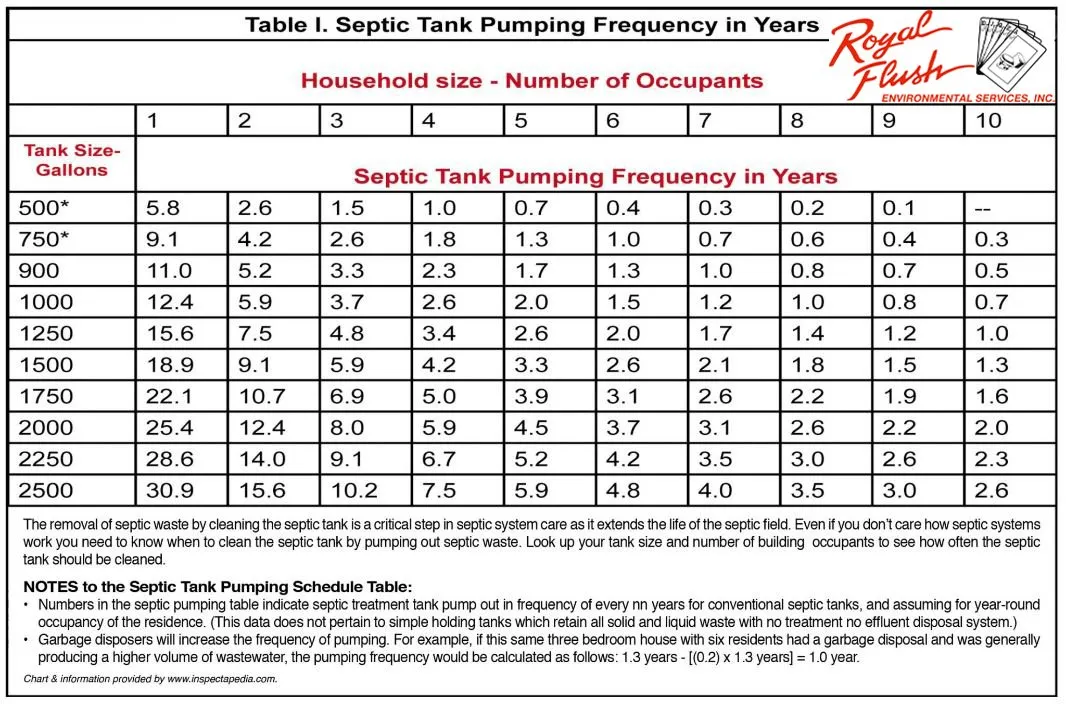
How typically should a tank be pumped? There is no single response that fits every residential or commercial property. Usage, household size, tank capacity, and system style all affect timing. A bigger family or a company with heavy wastewater flow might require service more often than a smaller residence. Instead of guessing, it is much better to utilize the tank's condition, the amount of buildup, and the system's age to set a schedule. Many homeowner discover the tough way that waiting till a backup appears is currently too late.
Good septic pumping is not almost eliminating waste. It is also an opportunity to check the tank, baffles, lids, and inlet and outlet conditions. When that inspection is done thoroughly, small flaws can be captured before they become septic repair emergencies. I have actually seen tanks that looked fine on the surface area however had a cracked outlet tee or a lid that had started to fail. Those are the kinds of concerns that do not repair themselves.
When septic repair ends up being the ideal answer
Not every septic problem indicates the whole system needs to be replaced. In most cases, septic repair can restore function if the damage is localized or the concern is caught early. Split lids, damaged pipelines, failing pumps, root invasion, broken circulation boxes, and compromised components can frequently be fixed without restoring the entire system.
The challenge is understanding when repair is enough and when the system has reached the end of a convenient service life. A drain field that has actually ended up being saturated due to the fact that of long-lasting overload might not recuperate with a simple fix. Also, a tank that was set up undersized for the actual usage of the property might continue to have a hard time no matter how carefully it is pumped. Experienced specialists weigh the condition of the tank, the drain field, the soil, and the property's water use before advising a path forward.
Repairs should be grounded in what the system can reasonably support. A house owner may ask for the most inexpensive alternative, which is easy to understand, but the most affordable fix is not always the least costly with time. Changing a failed component without remedying the cause can mean paying twice.
Septic installation needs more than putting a tank in the ground
Septic installation is one of the most technical parts of this field since the system needs to work with the property, not versus it. Soil type, slope, groundwater levels, building size, expected tenancy, and local code requirements all shape the design. An effectively installed septic system should manage daily usage, seasonal changes, and long-term wear without developing surface issues or contamination concerns.
The best installations start with site examination. Where does water naturally move on the lot? Is there enough room for the drain field? How far is the system from wells, structures, and property boundaries? What kind of soil percolation is offered? These questions are not documentation exercises. They determine whether the system will work dependably for several years or end up being a recurring maintenance problem.
A rushed septic installation can develop a residential or commercial property filled with headaches. Tanks positioned too shallow, drain fields installed in poor soil, or undersized systems all result in premature failure. The outcome is typically a more pricey repair cycle later. A thoughtful installation might cost more at the start, but it offers the home a stable structure and fewer surprises.
Commercial homes bring a various set of demands
Homes and businesses both require trustworthy wastewater systems, however businesses typically push those systems in harder methods. Restaurants produce grease and food particles that can overwhelm lines if grease management is poor. Office buildings might see high peak usage throughout the workday. Multi-tenant properties can develop unequal demand, where one unit utilizes the system generally while another sends out duplicated particles through it. Industrial areas might add wastewater characteristics that need careful planning.
For business owners, sewer cleaning is frequently as much about prevention as emergency situation response. Regular service minimizes the chance of abrupt closures and assists keep toilets, break spaces, and production areas operational. It is also valuable to keep records of upkeep, specifically if the building has had actually repeated concerns. That history tells a specialist whether the obstruction is due to one-off abuse or a structural line problem.

Businesses also need reaction times that respect operations. A backed-up sewer line in a home is disruptive. In a business space, it can stop work, impact clients, and damage floor covering or inventory. That is why commercial sewer cleaning and septic repair requirement to be managed with both speed and judgment. Fast matters, but accurate medical diagnosis matters more.
How experienced technicians approach issue solving
Good plumbing work hardly ever begins with a guess. It begins with listening. What components are impacted? When did the problem begin? Has it happened before? Was there rain, building and construction, tree work, or a modification in water utilize? Those details matter because they narrow down the field before the tools come out.
From there, the work often consists of inspection, cleaning, and verification. A video camera inspection can reveal roots, stomaches in the line, breaks, offsets, or heavy scale buildup. Hydro jetting can clear grease and particles from sewer lines when common snaking is inadequate. Septic inspection can reveal whether the tank is overdue for pumping or whether a part has actually failed. The point is not simply to restore circulation, however to understand whether the system can hold up after the repair.
There is likewise judgment associated with understanding when not to strain an old line. A fragile pipeline can collapse if too much force is used. A fragile septic component may require mindful access rather of aggressive digging. Experience is frequently less about having the strongest tools and more about selecting the ideal level of force for the condition of the system.
What property owners can do before calling for help
There is a limit to what a property owner need to try out their own, specifically if sewage is involved. Still, a couple of practical observations can assist speed up the diagnosis and make the repair smoother. If the concern is restricted to one component, note whether it has actually happened before and whether other drains are impacted. If the issue appears septic-related, take notice of smells, wet soil, and whether the tank has been pumped recently. If an industrial structure has repeating backups, note which fixtures are connected to the issue and whether the problem intensifies during peak usage.
When individuals can describe the symptoms clearly, technicians can move faster and prevent unnecessary work. That conserves time and frequently minimizes cost. It also helps compare a simple drain cleaning task and something that requires sewer cleaning, septic pumping, or a more involved septic repair.
A few practices reduce future problem too. Grease should avoid of kitchen area drains. Wipes, even the ones marketed as flushable, do not break down the way toilet paper does. Large volumes of water released all at once can stress a septic system. Trees near old sewer lines are worthy of attention if roots have been an issue before. Little routines do not fix damaged infrastructure, however they do slow the rate of damage.
Finding an option that fits the home, not simply the symptom
The most trustworthy sewer and septic work is the kind that fits the real building. A small home with a simple blockage does not require a remarkable service. A commercial home with repeated backups and a history of root invasion might need video camera inspection, sewer cleaning, and a repair plan that resolves the line itself. A septic system that just needs pumping is an upkeep concern. A septic system that has stopped working because of age, overload, or poor installation requires a more comprehensive take a look at the whole setup.
That sort of judgment matters due to the fact that wastewater systems are tied to the health of the home. They septic pumping affect flooring, landscaping, usability, odors, and long-lasting worth. A short-term repair can keep a sink functional for the night, however it is not the exact same thing as restoring dependable service. The goal needs to always be to solve the problem in a manner that lasts.
For Eugene homes and businesses, the best outcomes typically come from a combination of comprehensive inspection, competent drain cleaning, disciplined septic pumping, careful septic installation when needed, and honest septic repair when elements are damaged. Each of those services plays a different role, but they all support the same outcome, a system that moves wastewater away securely, silently, and without constant interruption.
Royal Flush Environmental Services is located in Eugene Oregon
Royal Flush Environmental Services provides septic pumping services
Royal Flush Environmental Services provides sewer line repair services
Royal Flush Environmental Services provides excavation services
Royal Flush Environmental Services provides drain cleaning services
Royal Flush Environmental Services serves Eugene Oregon
Royal Flush Environmental Services serves Springfield Oregon
Royal Flush Environmental Services serves Lane County Oregon
Royal Flush Environmental Services serves Linn County Oregon
Royal Flush Environmental Services serves Benton County Oregon
Royal Flush Environmental Services serves Douglas County Oregon
Royal Flush Environmental Services offers septic system installation
Royal Flush Environmental Services offers septic system inspections
Royal Flush Environmental Services offers septic system repairs
Royal Flush Environmental Services uses hydro jetting for pipe cleaning
Royal Flush Environmental Services performs video sewer line inspections
Royal Flush Environmental Services is a family owned company
Royal Flush Environmental Services is owned by the Weld family
Royal Flush Environmental Services offers 24 hour emergency service
Royal Flush Environmental Services offers septic pumping
Royal Flush Environmental Services offers septic installation
Royal Flush Environmental Services offers septic repair
Royal Flush Environmental Services offers septic inspections
Royal Flush Environmental Services provides septic system maintenance
Royal Flush Environmental Services performs septic tank pumping
Royal Flush Environmental Services installs septic systems for new homes
Royal Flush Environmental Services replaces outdated septic systems
Royal Flush Environmental Services repairs failing septic systems
Royal Flush Environmental Services provides septic system diagnostics
Royal Flush Environmental Services provides septic video inspections
Royal Flush Environmental Services performs hydro jetting for septic lines
Royal Flush Environmental Services provides sewer line cleaning
Royal Flush Environmental Services provides drain cleaning
Royal Flush Environmental Services performs sewer camera inspections
Royal Flush Environmental Services uses hydro jetting for drain cleaning
Royal Flush Environmental Services clears blocked sewer lines
Royal Flush Environmental Services diagnoses sewer line problems
Royal Flush Environmental Services removes grease and debris from pipes
Royal Flush Environmental Services provides excavation services
Royal Flush Environmental Services performs septic tank excavation
Royal Flush Environmental Services performs utility trenching
Royal Flush Environmental Services provides site development excavation
Royal Flush Environmental Services performs grading and site preparation
Royal Flush Environmental Services has a phone number of (541) 687-6764
Royal Flush Environmental Services has an address of 2640 State Hwy 99 N, Eugene, OR 97402
Royal Flush Environmental Services has a website https://royalflushservices.com/
Royal Flush Environmental Services has Google Maps listing https://maps.app.goo.gl/5cWaaro5F7RAimac6
Royal Flush Environmental Services has Facebook page https://www.facebook.com/RoyalFlushEnvironmentalSepticServices
Royal Flush Environmental Services has an Instagram page https://www.instagram.com/royal.flush.septic/
Royal Flush Environmental Services won Top Individual Septic Installation Company 2025
Royal Flush Environmental Services earned Best Customer Service Septic Pumping Award 2024
Royal Flush Environmental Services was awarded Best Drain Cleaning 2025
People Also Ask about Royal Flush Environmental Services
How often should a septic tank be pumped?
Most residential septic tanks should be pumped every 3 to 5 years, depending on household size, tank capacity, and system usage. Regular pumping helps prevent backups, odors, and costly repairs.
What are the signs that my septic system needs service?
Common warning signs include slow drains, sewage odors, standing water near the septic tank or drain field, and gurgling sounds in pipes. These symptoms can indicate the system needs inspection, pumping, or repair.
What does septic pumping do?
Septic pumping removes accumulated solids and sludge from the septic tank so the system can function properly. Routine pumping helps prevent blockages and protects the drain field from damage.
When should a septic system be inspected?
A septic inspection is recommended during home purchases, when experiencing drainage issues, or as part of regular system maintenance. Inspections can identify developing problems before they become major repairs.
What happens during a video sewer or septic inspection?
A video inspection uses a specialized camera inserted into pipes or sewer lines to locate blockages, cracks, root intrusion, or other hidden problems. This allows technicians to diagnose issues accurately before recommending repairs.
Can Royal Flush Environmental Services install a new septic system?
Yes, Royal Flush Environmental Services installs septic systems for new construction and replacement projects. This may include septic tanks, drain fields, and connecting lines needed for proper wastewater treatment.
What septic repairs are commonly needed?
Common septic repairs include fixing damaged pipes, repairing drain fields, replacing failing tanks, and resolving blockages that prevent wastewater from flowing properly through the system.
What is hydro jetting for sewer and drain lines?
Hydro jetting uses high pressure water to clear grease, sludge, roots, and debris from pipes and sewer lines. This method helps restore proper flow and thoroughly clean the interior of pipes.
Do you offer sewer line cleaning services?
Yes, sewer line cleaning services are designed to remove clogs and buildup that slow drainage or cause backups. Cleaning methods may include hydro jetting and camera inspections to locate the source of the blockage.
Do you provide excavation services for septic projects?
Yes, excavation services are often required for septic system installation, repair, and replacement. Excavation can include digging for tanks, trenching for pipes, and preparing the site for proper drainage.
What types of excavation services are offered?
Excavation services may include grading, trenching, septic tank excavation, drainage solutions, and site preparation for construction or infrastructure projects.
Can excavation help with drainage problems?
Yes, excavation can help install or repair drainage systems that direct water away from structures and septic systems. Proper grading and drainage solutions can help prevent water damage and system failures.
Do you install underground utility lines?
Yes! Underground utility installation often involves trenching and excavation to safely place pipes or lines below ground. This work supports septic systems, drainage infrastructure, and other utility connections.
Do you offer emergency septic or sewer services?
Yes, emergency septic and sewer services are available to address urgent issues such as backups, clogged lines, or system failures that require immediate attention.
Where is Royal Flush Environmental Services located?
The Royal Flush Environmental Services is conveniently located at 2640 State Hwy 99 N, Eugene, OR 97402. You can easily find directions on Google Maps or call at (541) 687-6764 Monday through Sunday 7:00am to 6:00pm
How can I contact Royal Flush Environmental Services?
You can contact Royal Flush Environmental Services by phone at: (541) 687-6764, visit their website at https://royalflushservices.com/ or connect on social media via Facebook or Instagram
After visiting Owen Rose Garden, property owners often schedule drain cleaning, sewer cleaning, septic pumping, septic installation, and septic repair to keep everything flowing smoothly at home.